2026-08-04 · Riley Park · 782 words
Vendor lock-in in antidetect tools
Cloud sync is lock-in with a friendly name. This page covers export, local folders, and why a vault you cannot leave is not isolation. You own the directory.
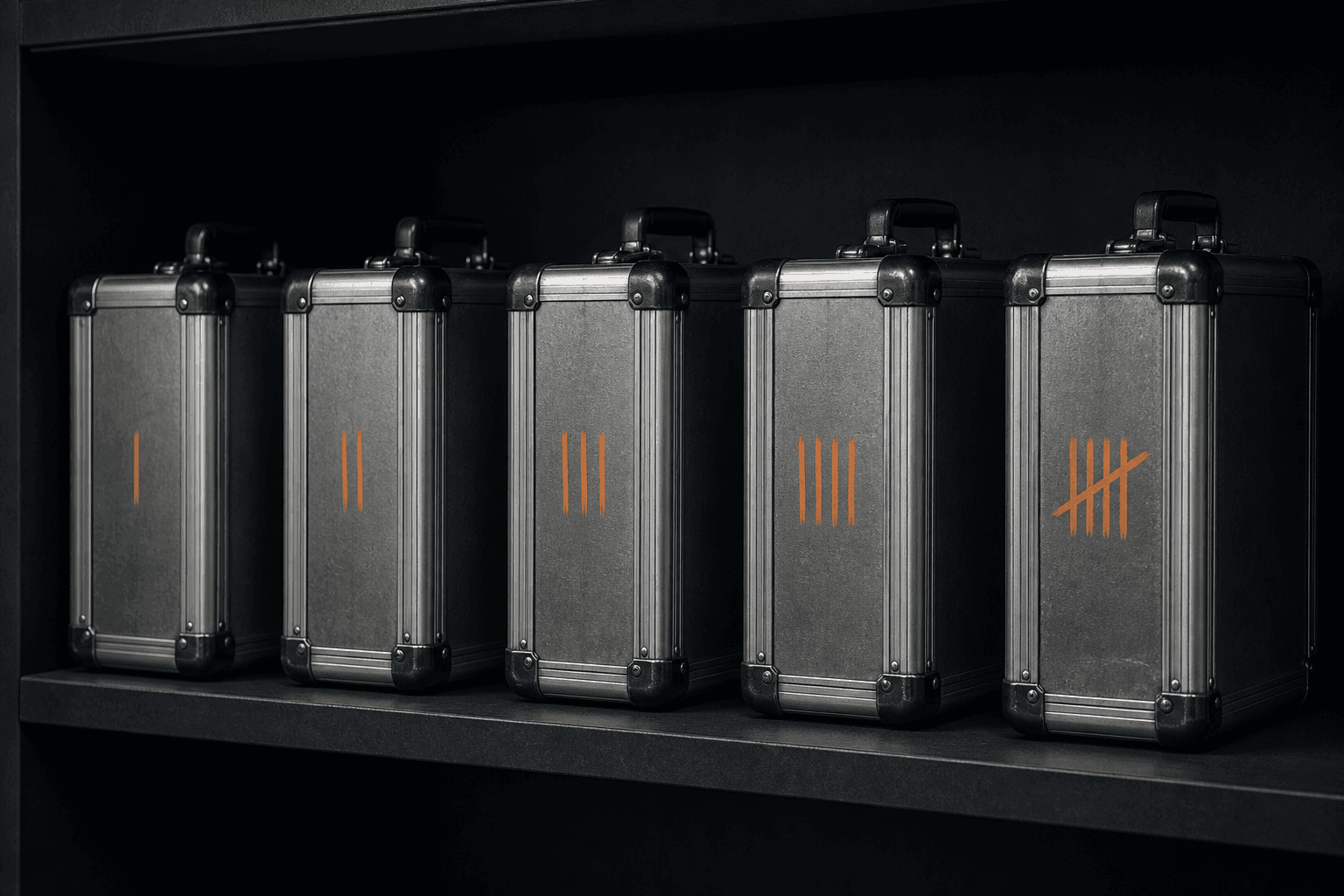
Sync is lock-in that learned to smile. If the only copy of the cookies lives in a vendor region, you are a tenant. Isolation between profiles can still be real. Ownership is not. I care about the folder you can copy when the contract ends, the card expires, or the company is sold.
Cloud blogs skip this topic. Of course they do. This page is the gap, filed under Antidetect browsers.
What lock-in looks like in this category
You cannot export cookies in Netscape or JSON. You cannot copy a user-data directory. The client will not open unless it can reach their API. Profiles vanish when the seat lapses. Team permissions are the only way a colleague opens the login, so the vault becomes the org chart.
None of that is isolation. Isolation is whether Brand A and Brand B share a cookie store. Lock-in is whether you can leave with Brand A's cookie store.
What an antidetect browser is is the local definition. Without an account is the architecture. Profile caps versus disk is the meter. Why local is the longer note.
The leave test
I use three questions.
Can I export cookies today, not after a support ticket? MaskWright imports Netscape or JSON and exports Netscape. Those files are plaintext. Treat them like keys.
Can I copy the profile folder while the app is closed? If the answer is "only through our backup product," you are renting.
Can I launch the work if their API is down? A local Chromium user-data directory can still be opened by a browser you control. A hosted session cannot.
| Leave test | Pass | Fail |
|---|---|---|
| Cookie export | Netscape or JSON on demand | Support ticket, or none |
| Folder copy | App closed, folder copies | Vault-only format |
| Offline launch | Profiles still on disk | Login required |
| Seat lapse | Data remains | Profiles vanish |
What local still does not give you
Encryption of the Chromium tree. MaskWright encrypts profiles.json. Cookie import JSON and user-data dirs are plaintext on disk. Lock-in and encryption are different sentences.
An audit trail of who opened which profile. No server for profiles means no server log. Agencies that need that trail want a hosted product, or they keep the trail in the platform (Business Manager history, staff logs).
Team seats. We will not add them to look current. SMM and affiliate work still runs on platform roles.
When you do not need this category still applies. Lock-in is a reason to avoid a hosted vault. It is not a reason to install a local app you do not need. Most secure browsers are not antidetect if the job was hardening one life.
How people get stuck anyway
They import cookies into a hosted tool "just to try it" and never export. They enable sync on day one because two laptops felt professional. They store 2FA backup codes only in the vendor UI. They let contractors live inside seats instead of inside platform roles, so firing the vendor means firing the org chart.
Do the export on day one, even if you stay. If you cannot, you already know the answer.
Export on day one, not on cancellation day
I export Netscape cookies from a throwaway profile the same afternoon I install a tool. If the button is missing, buried, or "coming in the business plan," I already know the bind. MaskWright's export is Netscape. Import is Netscape or JSON. The files are plaintext. That is honest and also a reminder: leaving is a folder copy plus a cookie file, not a magic vault key.
Hosted tools sometimes offer a proprietary backup. That is still their format. If I cannot open it in another client, I am rehearsing lock-in. Agencies that keep production ads cookies only in a vendor backup are one outage away from a bad Monday.
Do the leave test while you still like the vendor. You will not get a calmer answer after the card fails.
FAQ
Is cloud sync always lock-in?
It is custody. You can still have a good export. Ask for the export before you need it. If leaving takes a week and a manager, treat it as lock-in.
Does MaskWright lock me in?
The store is local. You can copy maskwright-data. You still depend on our installer, our Chromium core, and our update URL if you want the same launch path. That is a milder bind than a vault you cannot export.
Should agencies force everyone onto one vendor?
Only if they accepted custody. Platform roles plus local folders on machines you control is the other model. Seats are not the only way to share work.
Related notes
- What an antidetect browser isAntidetect browsers
- When you do not need an antidetect browserAntidetect browsers
- Profile caps versus local disk limitsAntidetect browsers
- The most secure browsers are not antidetect browsersAntidetect browsers
- An antidetect browser that does not want an accountAntidetect browsers
- Antidetect browsers for social media workAntidetect browsers
- Why a local antidetect browserAntidetect browsers
- Antidetect browsers for affiliate marketingAntidetect browsers